Top 5 Redstone Farms in 2026

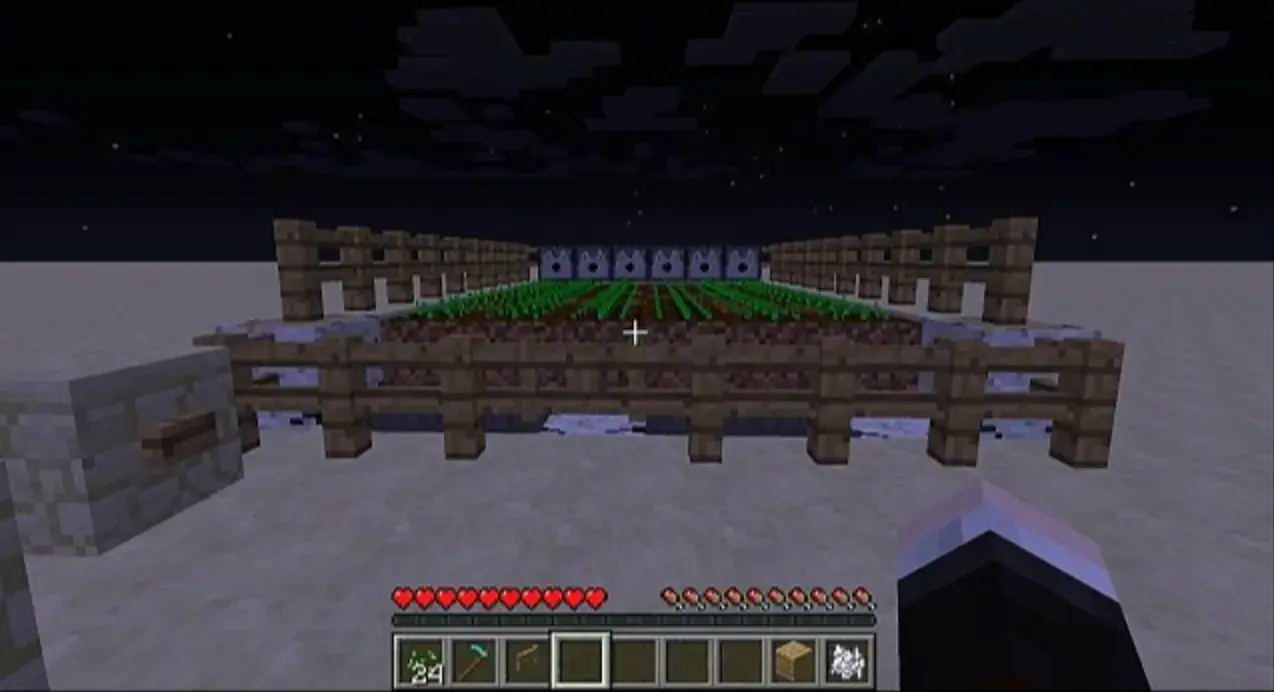
Redstone has always been the part of Minecraft that made me feel like I was staring at someone else's math homework. ✨ All those wires and comparators and repeaters - I used to look at a fancy Redstone build and quietly back away. But over the years I've come to realize that a lot of the most useful farms don't actually require you to understand the whole system. They just need you to follow the steps, place the blocks, and then sit back and let your world do the work for you.
These five farms are the ones I keep coming back to. They're not the flashiest Redstone you'll ever see, but they're practical, satisfying to build, and the kind of thing that makes your survival world feel like it's actually running itself.
Wool Farm
One sheep to rule them all
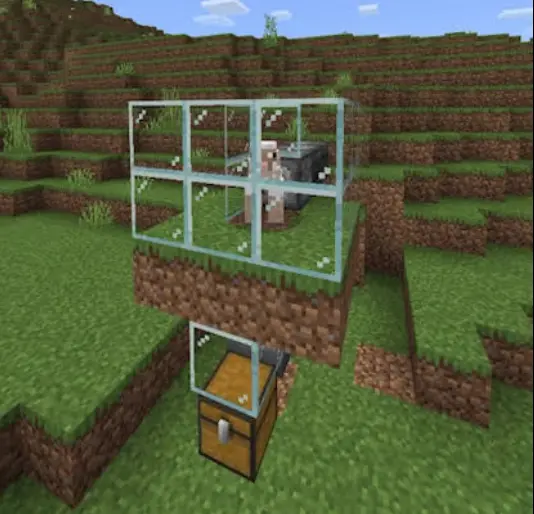
If I could only recommend one Redstone farm to someone who's never built one before, it would be this one. All it takes is a single sheep, quietly grazing and regrowing its wool in a gentle, steady cycle - a whole little automated system built around something that was already happening on its own. 🌸
The way it works is pretty clever for how simple the components are. An observer detects when the sheep's wool has regrown, which triggers a dispenser loaded with shears to snip it off automatically. The wool drops through a grass block into a hopper minecart running underneath, which carries it straight into a chest. Your sheep never needs feeding, never needs breeding - the grass block regrows on its own and the whole cycle just keeps going.
The thing I love most about this farm is how easy it is to expand. You can line up 16 of these in a row, one sheep per dye color, and suddenly you've got an endless supply of every wool block in the game. That's a massive deal if you love building - and it's also really useful for beds, which you'll always need for skipping nights and resetting your spawn point.
Village Iron Farm
Basically a printing press, but for ingots
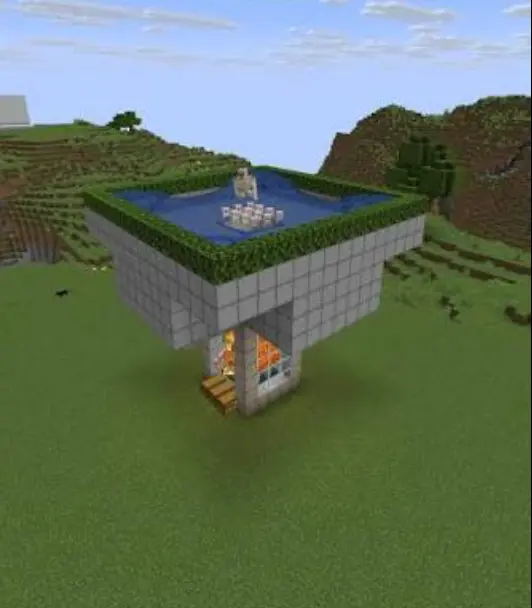
Iron is quietly the most important resource in Minecraft for any player who's serious about Redstone. Hoppers, pistons, rails, minecarts, anvils - nearly every Redstone component has iron in the recipe somewhere. Running out mid-build is genuinely painful, which is why getting an iron farm set up early is one of the best investments you can make. 💖
This design takes advantage of how villages work. Iron Golems spawn naturally to protect villagers, and if villagers are frightened - by keeping a zombie nearby in a controlled way - the spawn rate increases significantly. A simple four-repeater clock, with each repeater set to the fourth position, drives a piston that pushes the zombie toward some trapped villagers at regular intervals. That keeps them in a constant low-level state of alarm, which keeps the Golems spawning fast. Lava held in place by signs catches them as they appear, melting them down into iron ingots that fall into hoppers below.
One thing worth knowing before you build: the farm needs to sit at least five blocks off the ground. Iron Golems have specific spawning requirements around solid ground clearance, and if the farm sits too low, they'll pop up on the surface instead of inside your collection area. It sounds fussy, but once it's right, this thing basically runs itself - and the four-repeater clock is a great first introduction to Redstone timing if you've never used one before. And if you're building this one on a multiplayer server with a shop, MrPumpkin has written about how farm output shapes a server's economy, where iron farms come out gentler than most.
Semi Auto Crop Farm
Harvest day, handled
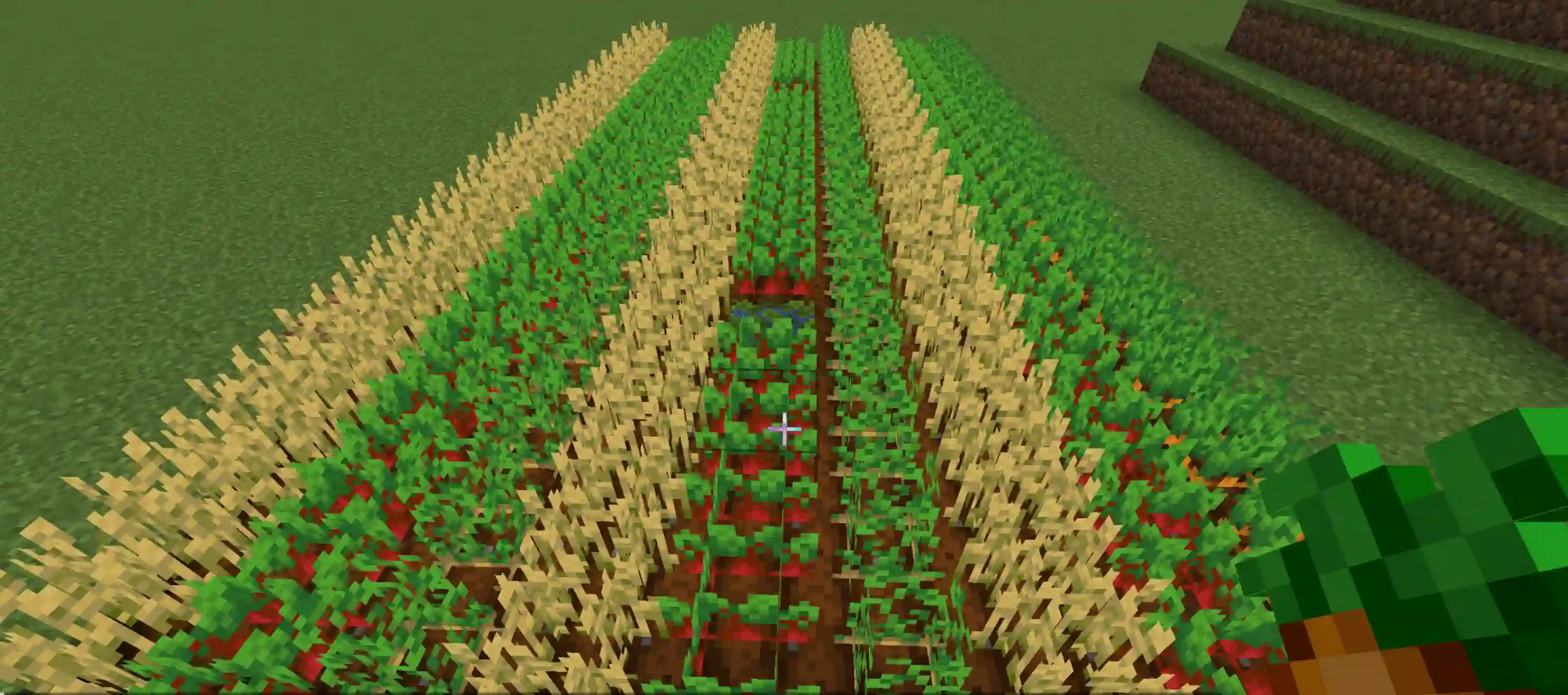
There's something genuinely lovely about a well-kept crop farm. Rows of wheat or carrots stretching out in neat lines, all properly hydrated, growing away quietly while you get on with other things. The only tedious part has always been harvest time - running up and down breaking every single plant by hand.
This farm takes care of that part for you. A Redstone trail runs from one end of the farm to the other, sending a signal to sticky pistons that lower a series of blocks. That opens a gap for water to flood down the rows, washing every fully-grown crop off the farmland and sweeping it all toward a collection point where hopper minecarts pick it up and deposit it in a chest. You still replant by hand, but the actual harvesting is completely hands-free. 🌸
It works with wheat, carrots, potatoes, and beetroot - pretty much any standard crop that gets knocked loose by water. The key thing to remember is that farmland needs to stay within four blocks of a water source to stay hydrated, so the farm's layout is designed around that. For an early-game setup before you're ready to tackle full automation, this is a really satisfying middle ground. If you're only a day or two into a world and nowhere near hoppers yet, what to do on your first day in Minecraft covers the hand-planted wheat farm this one eventually grows out of.
Animal Crusher Farm
A farm for the practical-minded
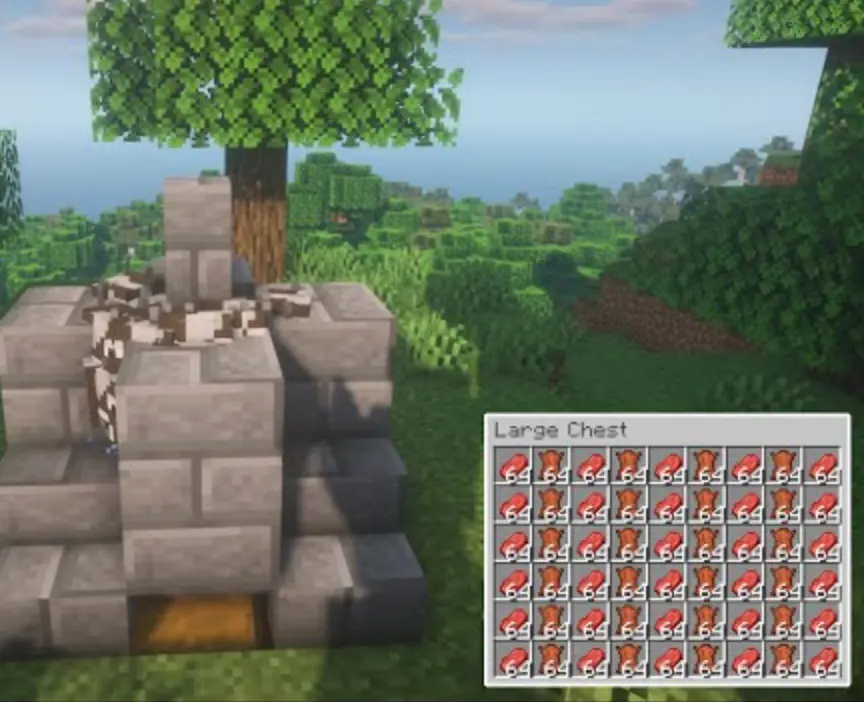
Food is one of those things in survival mode that you never really worry about until suddenly you do. You've been pushing through a big build, completely ignoring your hunger bar, and now you're sprinting across a field trying to catch a chicken with your hands. This farm fixes that problem in the most wonderfully efficient way possible - and once it's running, you genuinely never have to think about food again.
The mechanics are simple. You lure two animals of the same type into a small enclosed space built above a hopper-and-chest collection area. A piston drops them into a pit, where they breed and accumulate over time. Minecraft has a mechanic called entity cramming - once too many mobs are squeezed into the same space (24 by default, though servers can adjust this with the maxEntityCramming gamerule), the extras start taking damage and drop their items into the hopper below. No hunting, no chasing, no running out of food in the middle of a big build session.
Chickens are probably the best starting pick. They lay eggs on their own without any breeding input from you, which keeps the population topped up automatically - a bit like a little self-restocking pantry you never have to think about. Cows are worth considering if you need leather for books and enchanting tables, while pigs are a solid option if porkchops are all you're after. Just pick whichever one fills the gap in your current playthrough and let the farm handle the rest.
XP Smelting Farm
Two problems, one clever machine
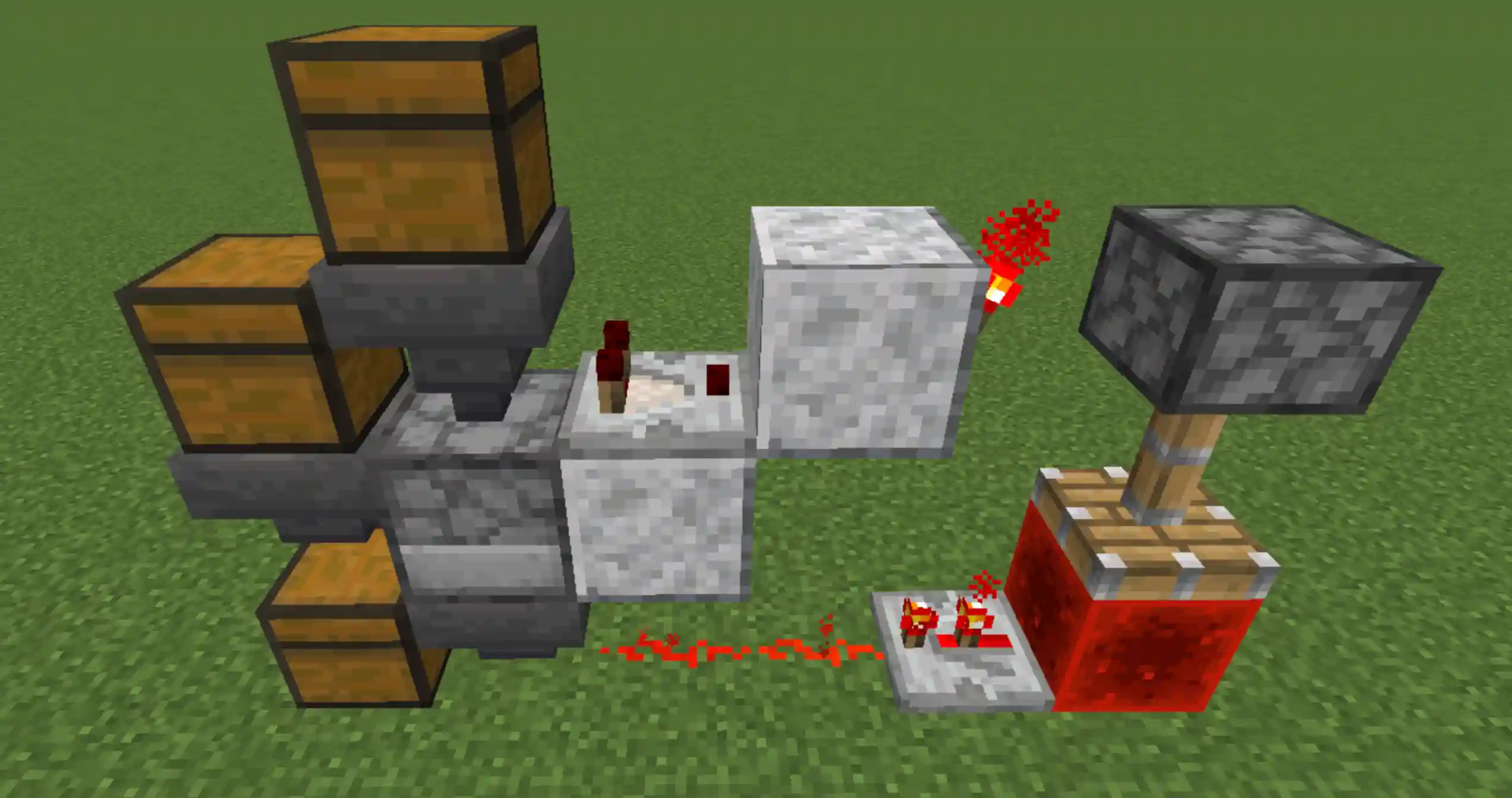
Getting high-level enchantments is expensive. Level 30 takes a long time to grind naturally, and losing a fully-enchanted set of tools to a creeper you didn't hear coming is one of the most demoralizing things that can happen in survival mode. An XP farm is the answer, and this one is especially worth building because it does two jobs at once.
The setup uses hoppers and a comparator to automate a Smoker, feeding items from one chest through the cooking process and into another. But the clever part is in how Minecraft stores experience from smelting. XP doesn't appear right away - it sits saved inside the furnace or smoker until you pull out the first finished item. So you can load this thing up with hundreds of potatoes, come back after a while, grab one cooked potato from the output, and collect every single level of XP from the entire batch all at once. It's a bit like a savings account that pays out everything the moment you make one small withdrawal.
Potatoes are my favorite input for this - easy to grow in bulk, they cook quickly, and you get food out of the deal too. If you've already got a kelp setup running elsewhere, dried kelp blocks make an excellent fuel source since they burn longer than coal and cost nothing once that farm is ticking away.
There's a particular kind of satisfaction in a survival world that tends to itself while you're busy elsewhere - crops harvested, iron accumulating, wool tucked quietly into a chest. These are the five farms I'd build first if I were starting over.
- Amy

Amy has been exploring Minecraft since 2012, back when her biggest problem was accidentally building a house out of dirt. These days she lives for Creative mode, meticulously crafting worlds one block at a time and sharing everything she learns along the way. You'll find her writing the guides she wishes she'd had as a kid - clear, warm, and full of analogies that somehow make mob mechanics click.